
Strategy & governance
A technology roadmap that starts with business priorities and defines ownership, investment, risk and sequence.
Riyadh · Saudi Arabia
Technology & Transformation Executive
I turn technology strategy into measurable operating and commercial outcomes, drawing on 25+ years across energy, fuel retail, financial services, logistics and construction.
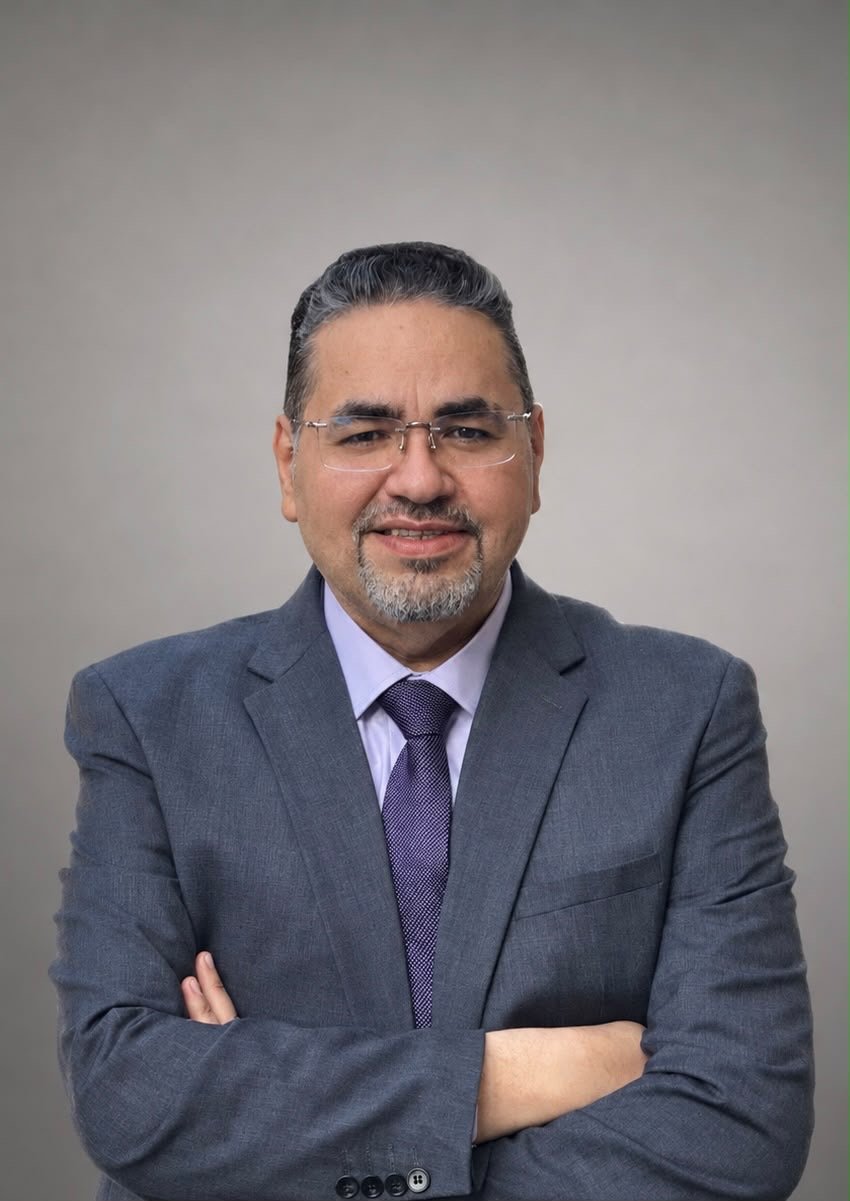
Executive profile
I have restructured IT functions, built digital transformation roadmaps, modernised infrastructure, implemented enterprise platforms and improved operations in environments where downtime has a physical consequence.
My work sits where strategy meets operations: from the board decision, through the system and the team, to the customer experience in the field.
Where I add weight
A technology roadmap that starts with business priorities and defines ownership, investment, risk and sequence.
Process redesign, customer experience and systems integration measured by impact, not platform count.
Infrastructure, service management and continuity capabilities that sustain distributed operations.
Trusted data and controls proportionate to risk and Saudi regulatory requirements.
Proven impact
Delivery experience spanning forecourt automation, digital payments and e-invoicing through to compliance, resilience and governance programmes in banking.
The next move
Let’s discuss the challenge and the outcome the business needs.